Posts

Showing posts with the label Water Damage Restoration Sewell

Water Damage Restoration Made Easy with MSI: A Homeowner’s Guide

Image
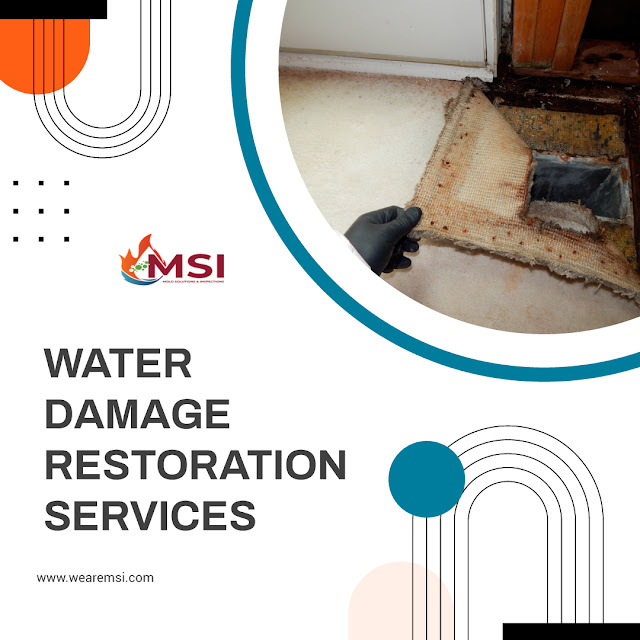
Water damage can strike unexpectedly, whether from burst pipes, storms, or appliance malfunctions. The aftermath is often stressful and overwhelming, but with the right guidance and professional help, the restoration process can be smooth and efficient. MSI provides expert water damage restoration services, and this guide helps homeowners understand what to expect and how to prepare. Step 1: Immediate Assessment The first step in water damage restoration is a thorough assessment. MSI technicians inspect your home to identify the source of water, the extent of the damage, and potential risks. They determine the type of water involved—clean, gray, or black—which affects the cleaning and restoration approach. Early assessment helps prioritize critical areas and prevent further damage. Step 2: Water Extraction Once the assessment is complete, the next step is removing standing water. MSI uses industrial-grade pumps and vacuums to extract water quickly. This step is crucial because ling...
Emergency Water Damage Restoration: Steps to Protect Your Property

Image
Water damage can be one of the most devastating incidents a property owner can face. Whether it's from a burst pipe, a leaking roof, or a natural disaster, the effects of water damage can be swift and severe. However, knowing how to respond promptly can make all the difference in minimizing the damage and ensuring a smoother restoration process. In this guide, we'll outline the essential steps to take in the event of water damage to protect your property and belongings. Assess the Situation : The first step is to assess the extent of the water damage. Determine the source of the water and identify any immediate safety hazards. If the water damage is extensive or poses a risk to your safety, evacuate the premises and contact emergency services. Shut Off the Water : If the water damage is due to a burst pipe or a leaking appliance, locate the main water shut-off valve and turn off the water supply to prevent further flooding. This step is crucial in preventing additional wat...

12 Key Metrics for Preventing and Repairing Water Damage

Image
Water damage is a persistent threat that can wreak havoc on homes and businesses alike. From burst pipes to leaky roofs, the consequences of water damage can be costly and extensive. However, by monitoring key metrics, you can take proactive steps to prevent water damage and efficiently address any issues that arise. As we navigate these metrics, you'll discover actionable insights to fortify your defenses against water-related challenges, ensuring the longevity and resilience of your property. Here are 12 key metrics that play a crucial role in preventing and repairing water damage.   1. Water Pressure: Maintaining optimal water pressure is essential for preventing leaks and pipe bursts. Excessively high water pressure can strain pipes, leading to potential failures. Regularly check and adjust the water pressure to ensure it falls within the recommended range. 2. Leak Detection Systems: Invest in modern leak detection systems that utilize sensors to identify water leak...

6 Must-Have Water Damage Restoration Tools for DIY Enthusiasts

Image
Water damage is a common household disaster that can strike at any time, often catching homeowners off guard. Whether it's a burst pipe, a leaky roof, or a flooded basement, knowing how to address water damage quickly and effectively is essential. While professional help may be necessary for severe cases, many DIY enthusiasts can tackle minor water damage restoration projects with the right tools at their disposal. Six must-have water-damage restoration tools for DIY enthusiasts:   1. Wet/Dry Vacuum: A wet/dry vacuum is an indispensable tool for water damage restoration. These versatile machines can handle both wet and dry materials, making them ideal for removing standing water from flooded areas. Look for a vacuum with a large capacity and powerful suction to efficiently extract water from carpets, flooring, and upholstery. Additionally, wet/dry vacuums often come with various attachments, such as wands and nozzles, to access hard-to-reach areas and remove excess moisture e...

Water Woes: Combating the Effects of Fire Suppression Systems

Image
Fire suppression systems are essential for safeguarding buildings and occupants in a fire. While these systems are highly effective at extinguishing flames, they often leave behind a trail of water damage. The excess water from sprinklers and other fire suppression methods can destroy structures and belongings, leading to secondary issues like mold growth. Here are five ways to combat the effects of fire suppression systems and minimize water-related damage: 1. Prompt Water Extraction: After a fire incident, it is crucial to initiate water extraction promptly. Standing water can seep into floors, walls, and furniture, causing extensive damage and promoting the growth of mold and mildew. Employing professional water extraction equipment and techniques is essential to remove water effectively and prevent further harm to the property. Quick action can significantly reduce the extent of water-related damage and subsequent restoration costs. 2. Thorough Drying Process: Once the bu...

The Link Between Water Damage and Indoor Air Quality: What You Need to Know!

Image
If your house has been hit with water damage, you may assume indoor air quality is the least of your concerns. Compared to the damage you're witnessing with your eyes, indoor air quality is a low priority, correct? Though, you could be inhaling invisible hazards to your health. Water damage defines many probable losses caused by water invading where it will promote attack of a material or method by destructive processes such as rotting wood, steel rusting, and many others. The harm may start to slow or come all at once. However, of how fast it happens, water damage significantly contributes to the loss of property. Some examples of water damage are: 1. Leakage: Machines and pipes leakage are some of the more likely causes of water damage and can be easy to detect and fix based on the place. But kitchen sink or water heater leaks retain clean water, whereas plumbing leaks hold sewage with them and increase the chance of spreading bacteria, viruses, and mold. 2. Water Condens...