Posts

Showing posts with the label Water Damage Restoration Philadelphia

Why Immediate Water Damage Restoration Matters — Insights from MSI

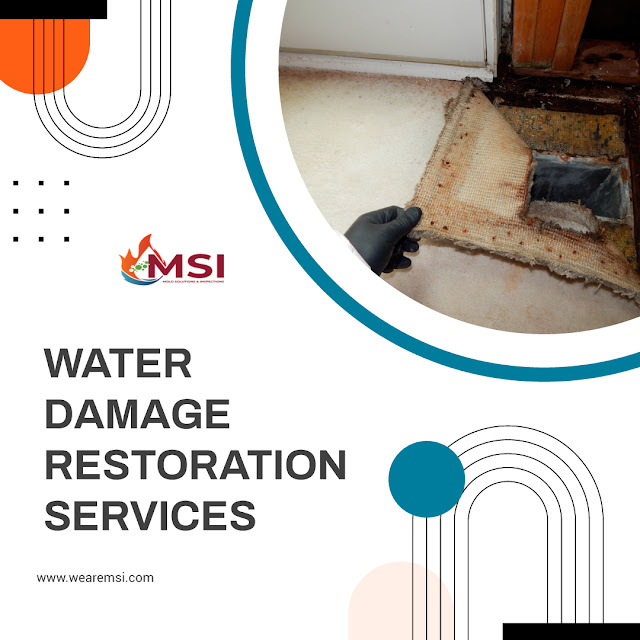
Image
When water damage strikes, every minute counts. Whether it’s caused by a burst pipe, storm flooding, or a leaking appliance, delaying restoration can turn a manageable issue into a costly and dangerous problem. Immediate action not only protects your property but also safeguards your health. Here’s why fast response is critical — with professional insights from MSI . 1. Prevents Structural Damage Water can quickly seep into walls, ceilings, flooring, and foundations. Within hours, drywall begins to soften, wood starts to swell, and structural components weaken. The longer moisture remains, the greater the risk of permanent damage. Professional teams like MSI use advanced moisture detection tools to identify hidden water pockets and ensure complete drying. Immediate restoration helps preserve your home’s structural integrity and prevents expensive rebuilds. 2. Stops Mold Growth Before It Starts Mold can begin developing within 24–48 hours of water exposure. Once it spreads, remedi...

Understanding the Different Types of Water Damage and How to Restore Them

Image
Water damage can strike unexpectedly—from burst pipes and overflowing appliances to severe storms and flooding. Left untreated, even minor water issues can lead to structural damage, mold growth, and costly repairs. Understanding the different types of water damage is the first step toward effective restoration and protecting your property. 1. Clean Water Damage (Category 1) Clean water damage comes from a sanitary source and poses minimal health risk initially. Common causes include broken water supply lines, overflowing sinks, or rainwater leaks through windows or roofs. Restoration Approach: Although clean water seems harmless, it can quickly escalate if not addressed. Professional restoration involves water extraction, drying affected areas with industrial dehumidifiers, and monitoring moisture levels to prevent secondary damage like mold growth. 2. Gray Water Damage (Category 2) Gray water contains contaminants that can cause illness if ingested or touched. Sources include w...

Water Damage Restoration Services You Can Trust – MSI

Image
Water damage can strike unexpectedly — from heavy storms and burst pipes to leaking roofs and overflowing appliances. When it happens, the impact on your home or business can be overwhelming. That’s why you need water damage restoration services you can trust . At MSI , we understand the urgency, stress, and disruption water damage brings. Our team is dedicated to restoring your property quickly, thoroughly, and with care. Why Prompt Water Damage Restoration Matters Water damage doesn’t just leave unsightly stains or damp floors — it can compromise your property’s structural integrity and create a breeding ground for mold. Within just 24–48 hours, moisture can lead to persistent mold growth, further damaging materials and risking your family’s health. That’s why immediate action from trained professionals is critical to minimize loss and ensure a safe living environment. Comprehensive Water Damage Services At MSI, we offer a full suite of water damage restoration solutions, tailore...

What to Do After Water Damage: A Homeowner’s Guide with Mold Solutions & Inspections

Image
Water damage can strike unexpectedly—from burst pipes to heavy rain or appliance leaks—leaving homeowners overwhelmed and unsure of where to begin. Taking immediate action is key to minimizing damage and preventing long-term issues like mold growth. This guide will walk you through the essential steps to take after water damage, including the importance of mold solutions and professional inspections.  1. Ensure Safety First Before addressing the water damage, make sure your home is safe. Shut off electricity if there's standing water near outlets or appliances, and avoid entering flooded areas until it's deemed safe. If the damage is extensive, contact emergency services or a restoration professional right away. 2. Identify and Stop the Source Locating the source of water intrusion is crucial. If it's a burst pipe, turn off your main water supply. For roof leaks, place buckets or towels to contain dripping water until repairs can be made. Stopping the water source q...

The Step-by-Step Guide to Water Damage Restoration for Homeowners

Image
 Water damage can be a homeowner’s worst nightmare, leading to costly repairs and potential health hazards. Understanding the restoration process can help you act quickly and minimize damage. Here’s a step-by-step guide to water damage restoration. Step 1: Ensure Safety First Before taking any action, ensure your safety. Turn off the electricity and avoid entering water-damaged areas if there is a risk of electrical hazards. Wear protective gear such as gloves and masks to prevent exposure to contaminants. Step 2: Identify the Source and Stop the Water Locate the source of the water damage and stop it immediately. Common sources include burst pipes, roof leaks, appliance malfunctions, and natural flooding. If necessary, shut off the main water supply to prevent further damage. Step 3: Assess the Damage Examine the affected area to determine the extent of the damage. Look for signs of water saturation in walls, floors, ceilings, and furniture. Take photos and document the damage for...

Emergency Water Damage Restoration: Steps to Protect Your Property

Image
Water damage can be one of the most devastating incidents a property owner can face. Whether it's from a burst pipe, a leaking roof, or a natural disaster, the effects of water damage can be swift and severe. However, knowing how to respond promptly can make all the difference in minimizing the damage and ensuring a smoother restoration process. In this guide, we'll outline the essential steps to take in the event of water damage to protect your property and belongings. Assess the Situation : The first step is to assess the extent of the water damage. Determine the source of the water and identify any immediate safety hazards. If the water damage is extensive or poses a risk to your safety, evacuate the premises and contact emergency services. Shut Off the Water : If the water damage is due to a burst pipe or a leaking appliance, locate the main water shut-off valve and turn off the water supply to prevent further flooding. This step is crucial in preventing additional wat...

Defending Your Home: Water Damage and Mold Solutions & Inspections

Image
Water damage and mold infestation are nightmares for homeowners, silently wreaking havoc on properties and health alike. From the subtle drip of a leaky pipe to the aftermath of a flood, the consequences can be devastating if left unchecked. However, armed with knowledge and proactive measures, homeowners can safeguard their dwellings against these insidious threats. Understanding the Dangers Water damage isn't merely cosmetic; it can compromise the structural integrity of your home, leading to costly repairs and posing health risks. Mold, a common byproduct of water damage, thrives in damp environments, releasing spores that can trigger allergies, respiratory issues, and even more severe health complications over time. From unsightly stains on walls to the musty odor permeating the air, the signs of water damage and mold are not to be ignored. The Importance of Inspection Regular inspections are the cornerstone of preventing and addressing water damage and mold growth. Engaging pr...

10 Common Signs of Mold in Your Home: A Guide by Mold Solutions & Inspections

Image
 Mold growth in homes is not just unsightly; it can also pose serious health risks to you and your family. Identifying mold early is crucial for effective remediation and maintaining a healthy living environment. In this guide, we'll explore 10 common signs of mold in your home, brought to you by Mold Solutions & Inspections, so you can take prompt action if you suspect mold growth. Visible Mold Growth: The most obvious sign of mold in your home is seeing it. Mold can appear in various colors, including black, green, or white, and often grows in damp or humid areas such as bathrooms, basements, and attics. Musty Odor: Mold emits a distinct musty odor, often described as earthy or stale. If you notice a persistent musty smell in certain areas of your home, it could indicate hidden mold growth behind walls, under carpets, or in other concealed spaces. Water Damage: Any past or ongoing water damage, such as leaks from pipes, roofs, or windows, provides an ideal environment for mol...

Restoring the Flow: The Comprehensive Guide to Water Damage Restoration Services

Image
   Water damage can strike unexpectedly, wreaking havoc on homes and businesses alike. When faced with the aftermath of a flood, leak, or burst pipe, it's crucial to act swiftly to minimize the damage and restore your property to its former glory. In this comprehensive guide, we will explore the essential aspects of water damage restoration services, with a special focus on the expertise provided by Mold Solutions & Inspections. Understanding Water Damage: Types and Causes Different types of water damage and their implications. Common causes of water damage, from natural disasters to plumbing failures. The Importance of Immediate Action The critical timeframe for effective water damage restoration. How Mold Solutions & Inspections prioritizes swift response to mitigate further damage. Mold Solutions & Inspections: A Trusted Partner in Water Damage Restoration Company overview: Who is Mold Solutions & Inspections? Specialized services offered for water damage re...